“The right jewellery can make an outfit. And when it comes to silver jewellery, authenticity matters.” You want your silver jewellery to be genuine and of high quality.
In India, the demand for silver jewellery is high. But so is the number of fake products. Our guide will show you how to spot real silver.
Knowing how to spot genuine silver jewellery is key. It’s not just about looks; it’s about value and lasting quality.
Key Takeaways
- Understand the hallmarks of authentic silver jewellery.
- Learn simple tests to verify the authenticity of silver.
- Discover how to check for purity and quality.
- Tips for buying genuine silver jewellery online and offline.
- How to care for your silver jewellery to maintain its quality.
The Value of Authentic Silver Jewellery
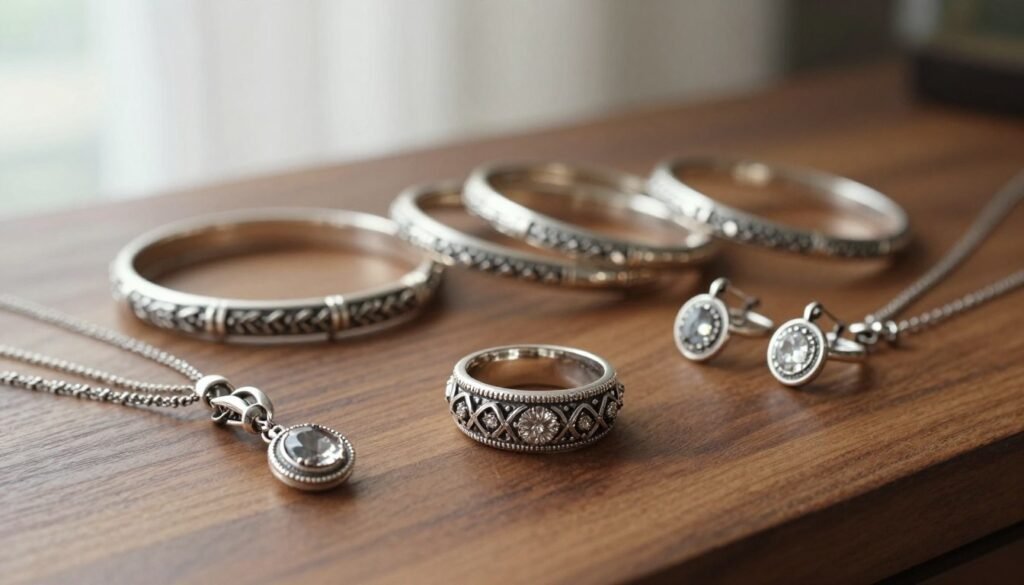
Silver jewellery is a big part of Indian culture. It’s often seen in traditional clothes and during important events. For ages, silver has been used to make beautiful jewellery. These pieces are not just pretty but also carry deep cultural and spiritual meanings.
Cultural Significance of Silver in India
In India, silver jewellery is linked to luck, wealth, and spirituality. People wear it during religious events and festivals. They believe it helps them connect with their gods. Silver is also key in traditional Indian outfits, adding to their beauty.
- Silver jewellery is a symbol of tradition and cultural heritage.
- It is often used in religious and spiritual contexts.
- Silver ornaments are considered essential for traditional Indian attire.
Why Authenticity Matters for Value and Health
Real silver jewellery keeps its value and is safe to wear. Genuine silver accessories don’t cause skin problems like fake ones might. They’re also great for keeping as family treasures, passing down through generations.
Always check if silver jewellery is real. This way, you get a quality item that’s both valuable and safe to wear.
Understanding Different Types of Real Silver Jewellery
Knowing the different types of real silver jewellery is key to making smart choices. As a buyer, it’s important to understand what makes each type special. This way, you can truly value and appreciate its authenticity.
Sterling Silver (925): The Most Common Standard
Sterling silver, marked as 925, is the most common standard for silver jewellery. It means the jewellery is 92.5% silver, with the rest being metals like copper. This adds durability. The 925 silver meaning ensures the jewellery’s quality and silver content.

Fine Silver (999): The Purest Form
Fine silver, or 999, is the purest form of silver, with 99.9% purity. It’s perfect for detailed designs because of its high purity. Fine silver jewelry is loved for its luxurious look, but it’s softer and tarnishes more easily than sterling silver.
Coin Silver and Other Silver Alloys
There are other types like coin silver and various silver alloys. Coin silver has less silver than sterling. Other alloys mix silver with metals for strength or color. Knowing about these silver alloys helps you understand the jewellery’s type and its features.
Decoding Silver Hallmarks and Markings
To make sure you’re buying real silver jewelry, it’s key to know about hallmarks and purity marks. These signs show if the jewelry is pure, real, and where it’s from. They help check the quality and worth of the item.
The BIS Hallmarking System in India
In India, the Bureau of Indian Standards (BIS) marks silver jewelry. The BIS system checks if the jewelry is pure enough. Look for the BIS logo and the purity mark (like 925 or 999) to know if it’s real silver.
The BIS hallmarking is a trusted way for buyers to know they’re getting true silver. It shows the jewelry has passed purity tests.
International Silver Purity Marks
Every country has its own way to show silver purity. For example, in the U.S., sterling silver is marked “925,” meaning it’s 92.5% silver. Knowing these marks helps spot real silver jewelry when shopping worldwide or from international sellers.
- 925: Sterling silver (92.5% silver)
- 999: Fine silver (99.9% silver)
- 800: Some European countries mark it for 80% silver
Manufacturer’s Marks and What They Mean
Manufacturer’s marks give extra info about your silver jewelry, like where it’s from and who made it. These can be letters, logos, or symbols that show who crafted it. While not always a sign of quality, these marks can help find out a piece’s history.
When you look at your silver jewelry, search for these marks. Then, do some research to learn about your piece’s story.
Visual Inspection Techniques for Silver Authentication
Checking silver jewelry visually is key to telling real from fake. By looking at the color, shine, and how it’s made, you can learn a lot. This helps you understand if it’s genuine.
Color and Luster Characteristics of Genuine Silver
Genuine silver shines brightly and looks white. But, its look can change based on what metals it’s mixed with and how it’s finished. Sterling silver, for example, looks warmer because of metals like copper.
When you check silver jewelry, look for even color and a lot of shine. Real silver has a soft, white sheen that’s not too bright. Jewelry that’s too shiny or has odd colors might be fake.
Identifying Machine-Made vs. Handcrafted Silver Pieces
It’s also important to know if silver jewelry is made by hand or machine. Handmade pieces often have unique touches that show they’re not mass-produced.
To spot handmade silver, look for hand-engraved details and small differences in the metal. Machine-made items usually look the same and have exact details.
| Characteristics | Handcrafted Silver | Machine-Made Silver |
|---|---|---|
| Appearance | Unique, with minor irregularities | Uniform, precise details |
| Craftsmanship | Visible signs of manual work | Lacks human touch, very uniform |
| Details | May have slight variations | Consistent, precise patterns |
Simple Home Tests to Check Silver Purity
Checking if your silver jewelry is real is easier than you think. Silver is known for its shine and strength. But, telling real silver from fake or plated ones can be tricky without the right tools.
There are simple tests to figure out your silver jewelry’s purity. These tests use silver’s unique traits like its magnetic pull, how it conducts heat, and its sound.
The Magnet Test: What It Reveals
Silver doesn’t attract magnets, so if your jewelry does, it might not be pure. But, some silver mixes might be a bit magnetic. To do the magnet test, just hold a magnet near your jewelry and see if it pulls.
The Ice Test: Thermal Conductivity Properties
Silver is great at moving heat, so it can melt ice fast. For the ice test, put an ice cube on your silver and see how quick it melts. If it melts fast, it’s probably real silver.
The Ring Test: Sound Qualities of Pure Silver
Pure silver makes a clear ringing sound when tapped. To try the ring test, gently hit your silver against something hard. If it rings out clearly, it might be pure.
The Acid Test: When and How to Use It Safely
The acid test uses nitric acid or aqua regia to see how silver reacts. But, it’s risky and needs care. It’s best to do this test safely and with help from a pro.
| Test | Description | Indication of Purity |
|---|---|---|
| Magnet Test | Check if the jewelry is attracted to a magnet. | No attraction indicates likely purity. |
| Ice Test | Observe how quickly ice melts on the jewelry. | Rapid melting suggests high purity. |
| Ring Test | Tap the jewelry to check for a ringing sound. | A clear, ringing sound indicates purity. |
| Acid Test | Apply nitric acid or aqua regia to check the reaction. | Specific reaction indicates genuine silver. |
How to Identify Real Silver Jewellery in Indian Markets
To find real silver jewellery in India’s markets, you need to know what to look for. These markets are full of silver jewellery, each with its own style and craftsmanship. Knowing how to spot the real deal can help you make a smart choice.
Regional Silver Styles and Their Authenticity Markers
India has many silver jewellery styles, each unique. For example, South Indian jewellery often has a 925 stamp, showing it’s sterling silver. North Indian pieces might have detailed engravings but not always a hallmark. Knowing these signs can help you find genuine silver jewellery.
Traditional vs. Contemporary Silver Craftsmanship
Silver jewellery in India falls into two categories: traditional and contemporary. Traditional pieces are made with handwork and classic designs. Contemporary jewellery might have modern designs and mix silver with other materials. Knowing the difference can make you appreciate the piece more.
“The art of silver jewellery making in India is a centuries-old tradition that continues to evolve with modern tastes.”
Silver Jewelry in Indian Festivals and Weddings
Silver jewellery is key in Indian festivals and weddings. Many pieces are made for these events, with designs that carry cultural meaning. For instance, silver jewellery is a common wedding gift, seen as lucky. Knowing this can help you see the value and importance of the jewellery you buy.
| Region | Common Silver Style | Authenticity Marker |
|---|---|---|
| South India | Intricate designs | 925 stamp |
| North India | Intricate engravings | May not always have a hallmark |
Price Indicators: What Genuine Silver Should Cost
When you’re looking for real silver jewelry, knowing the price indicators is key. The cost of genuine silver jewelry depends on several things. These include the silver’s purity, the design’s complexity, and the demand in the market.
Understanding Silver Pricing in the Indian Market
In India, silver prices are shaped by global trends, government rules, and local demand. The BIS Hallmarking System makes sure silver jewelry is of high quality. This affects its price. Here are some main factors that influence silver prices in India:
- Purity of silver (e.g., 925 sterling silver or 999 fine silver)
- Craftsmanship and design complexity
- Market demand during festivals and wedding seasons
- Global silver prices and exchange rates
Red Flags: When a Deal Is Too Good to Be True
If silver jewelry seems too cheap, it might be fake or silver-plated. Watch out for deals that seem too good to be true. They could mean the jewelry is fake silver or has misleading descriptions. Always check the jewelry’s authenticity with hallmarks, certifications, and trusted sellers.
Some common red flags include:
- Significantly lower prices compared to market rates
- Lack of hallmarks or certifications
- Sellers who are evasive about the product’s composition
Trusted Sources for Purchasing Authentic Silver in India
India has a wide variety of silver jewelry. But, finding real pieces can be tricky. It’s important to know where to shop to ensure the silver is genuine.
Reputable Jewelry Stores and Chains
Stores like Tanishq and Kalyan Jewelers are top choices. They offer silver jewelry that’s hallmarked and certified. These places promise quality and authenticity.
Traditional Silver Markets and Artisans
Traditional markets and artisans are also great sources. Chandni Chowk in Delhi and Rajasthan’s local markets are famous for their silver work. Always check for hallmarks and negotiate prices.
Government-Approved Retailers and Hallmarking Centers
Government-approved places are also reliable. The Bureau of Indian Standards (BIS) hallmarking centers check for purity. You can find BIS-approved centers on their website.
Online Retailers: What to Look For
Online shopping requires careful choice. Look for hallmarked jewelry and check customer reviews. Sites like Amazon and Flipkart have silver sections. Always read reviews to trust the source.
Common Silver Jewelry Scams and How to Avoid Them
As a savvy buyer, you need to watch out for silver jewelry scams. These scams can trick even the most careful shoppers. The silver jewelry market is full of beautiful pieces, but it also has its share of fraud.
Being informed is your best defense against these scams.
Silver-Plated Items Sold as Solid Silver
One common scam is selling silver-plated items as solid silver. Silver-plated jewelry has a thin silver layer over a base metal. To avoid being tricked, look for hallmarks or stamps that show the metal’s purity.
Genuine silver jewelry usually has a purity mark, like “925” for sterling silver.
Fake Hallmarks and Misleading Descriptions
Scammers also use fake hallmarks or misleading descriptions to make jewelry seem more valuable. Always check the authenticity of hallmarks. Be cautious of descriptions that seem too good to be true.
Researching the seller and reading reviews can help you spot scams.
Protecting Yourself When Shopping
To protect yourself, buy from trusted sources and examine the jewelry well. Look for signs of wear that might show it’s silver-plated. When shopping online, make sure the website is secure and has a clear return policy.
By being careful and doing your homework, you can enjoy beautiful silver jewelry without falling for scams.
Caring for Your Sterling Silver Jewelry Collection
To keep your sterling silver jewelry looking great, you need to know how to care for it. Sterling silver is known for its shine and strength. But, it needs regular care to stay bright and prevent tarnish. This is even more important in India’s humid weather.
Proper Cleaning Methods for Indian Climate Conditions
Cleaning your sterling silver jewelry often is key, more so in humid weather. Use a soft, dry cloth to wipe it after you wear it. For a deeper clean, mix mild soap with warm water and use a soft-bristled brush.
Rinse well and dry with a soft cloth to avoid water spots. For stubborn tarnish, a sterling silver cleaning solution might help. But, always check the instructions and test it first. Stay away from harsh chemicals and rough materials that can harm the silver.
Storage Solutions to Prevent Tarnish in High Humidity
Storing your jewelry right is essential to stop tarnish. Keep it in a cool, dry spot, away from sunlight. Use anti-tarnish bags or cloth to soak up moisture and stop tarnish. Also, store each piece alone to avoid scratches.
When not wearing, put your jewelry in a lined box or a pouch that fights tarnish. This keeps it in top shape and makes it look new for longer.
Conclusion: Becoming a Confident Silver Jewelry Buyer
Now you know how to spot real silver jewelry. This means you can shop with confidence for luxury silver items and high-quality ornaments. You’ve learned about different types of silver, how to read hallmarks, and simple tests to check authenticity.
Being a confident buyer lets you value genuine silver pieces. They’re not just pretty; they’re also investments in quality. Whether you like traditional Indian styles or modern designs, your knowledge will guide you in the market.
Enjoy your silver jewelry, knowing it’s real and of high quality. With the tips from this guide, you can trust your choices. Your silver jewelry collection will be a treasured part of your life for many years.